Travel tips: Experience Gran Canaria
Gran Canaria is one of the seven main islands of the Canary Islands in the Atlantic Ocean. The island has a population of 865,756 and its capital is Las Palmas. Although Gran Canaria is part of Spain, it is closer to Africa than to Europe. Due to its diversity, Gran Canaria is often referred to as a ‘miniature continent’. From beautiful beaches to picturesque villages and interesting architecture to imposing volcanic rocks and impressive cliffs, there is plenty to discover on the third largest Canary Island. The island attracts visitors all year round with spring-like temperatures and numerous outdoor activities. 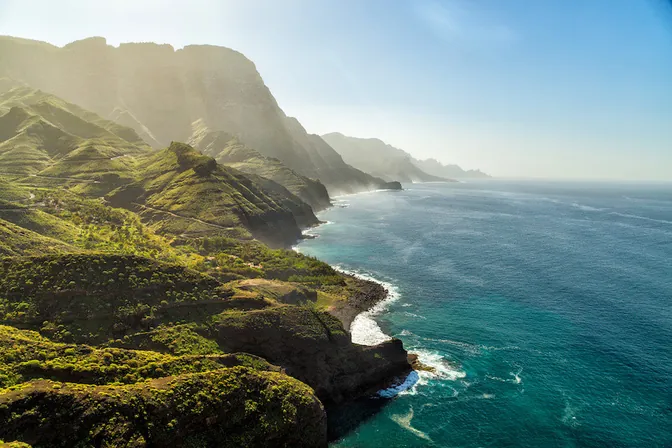
In addition to airport shuttles, there are of course taxi ranks and buses. Holidaymakers can reach Las Palmas quickly and easily with bus lines 60 and 91. If you want to head straight to the south of the island, take bus line 66 or 90, which runs every hour between the airport and Maspalomas. The bus fare is between €1 and €3. Of course, you also have the option of renting a car at the airport and exploring the island on your own. On average, a rental car on Gran Canaria costs €17 per day.
Getting to the Canary Islands by plane is very easy. Direct flights are available from numerous british cities. The flight time is between 4 and 5 hours. Airlines such as Condor, Corendon Airlines, Easyjet, Eurowings, Lufthansa and Ryanair fly to the destination regularly.
Tip: If you want to travel sustainably or are a fan of slow travelling, you can also reach the Spanish island by ferry. There are ferries to Gran Canaria from the Spanish mainland. From the Spanish port city ofHuelva, the fastest ferry takes 32 hours, for example.
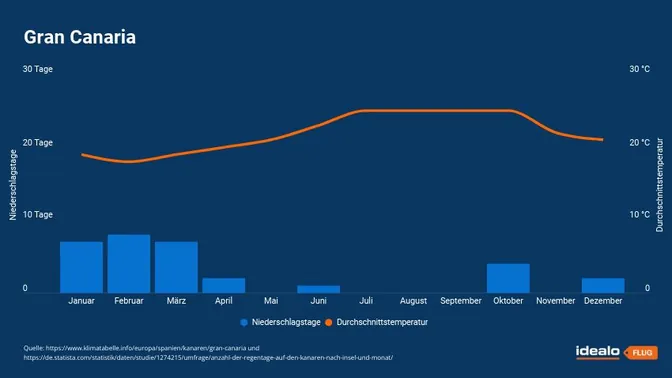
With daily temperatures between 20 and 25 degrees Celsius, the months from April to October are considered the ideal time to travel. However, the months from November to March are also ideal for escaping the wet and cold Central European winter. For the north, however, you should pack something warm, as it is slightly cooler than the south.
The Tamadaba Nature Park near the Agaete Valley
In the following guide, we present detailed travel tips, such as how to get there, the most beautiful beaches and culinary experiences on Gran Canaria.
- Getting to Gran Canaria
- Best time to visit Gran Canaria
- Must-see & must-do in Gran Canaria
- The most beautiful beaches in Gran Canaria
- idealo insider tips for Gran Canaria
- Festivals in Gran Canaria
- Specialities and good restaurants
- No-gos and useful information
- Fun facts about Gran Canaria
- Practical tips for your holiday in Gran Canaria
Getting to Gran Canaria
Gran Canaria Airport is located 25 kilometres from Las Palmas. The airport is well connected to the capital and the tourist centres on the south coast via the GC-1 coastal motorway. A shuttle service takes travellers to the holiday resort of Puerto Rico in 30 minutes.In addition to airport shuttles, there are of course taxi ranks and buses. Holidaymakers can reach Las Palmas quickly and easily with bus lines 60 and 91. If you want to head straight to the south of the island, take bus line 66 or 90, which runs every hour between the airport and Maspalomas. The bus fare is between €1 and €3. Of course, you also have the option of renting a car at the airport and exploring the island on your own. On average, a rental car on Gran Canaria costs €17 per day.
Getting to the Canary Islands by plane is very easy. Direct flights are available from numerous british cities. The flight time is between 4 and 5 hours. Airlines such as Condor, Corendon Airlines, Easyjet, Eurowings, Lufthansa and Ryanair fly to the destination regularly.
Tip: If you want to travel sustainably or are a fan of slow travelling, you can also reach the Spanish island by ferry. There are ferries to Gran Canaria from the Spanish mainland. From the Spanish port city ofHuelva, the fastest ferry takes 32 hours, for example.
Best time to travel to Gran Canaria
The peak season is between July and August, as this is the summer holiday period in many European countries. During the high season, Gran Canaria is therefore somewhat busier and more expensive. The good news, however, is that thanks to its climate zone, Gran Canaria is an attractive destination all year round, so you can easily switch to other months. The climate is subtropical and mild all year round. There are also around 300 days of sunshine per year.With daily temperatures between 20 and 25 degrees Celsius, the months from April to October are considered the ideal time to travel. However, the months from November to March are also ideal for escaping the wet and cold Central European winter. For the north, however, you should pack something warm, as it is slightly cooler than the south.
Must-see & must-do in Gran Canaria
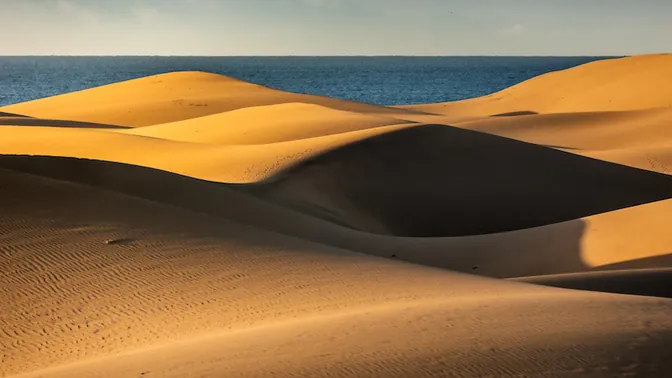
The Maspalomas dunes – a landmark of Gran Canaria
- The municipality of Tejeda is home to the bizarre rock formation Roque Nublo, a landmark of Gran Canaria. TheRock rises 65 metres vertically and stands on the mountain of the same name. The Roque Nublo is ideal for a short hike with fantastic views.
- The gorge Barranco de Guayadeque is one of the most scenic spots on Gran Canaria. This spectacular natural monument is located halfway between the municipalities of Agüimes and Ingenio in the east of the island. The gorge was once densely populated, as evidenced by the many typical guanches' caves along the edge of the path.
- At the southern tip of the island lies another charming landscape that travellers should not miss: the dune landscape of Maspalomas. It is a landmark of the island and impresses with its length of 6 kilometres. The nature reserve is ideal for great dune hikes,nbsp;stargazing, swimming in the lagoon and sleigh rides. You can even go on a camel ride through this unique landscape. Colourful house fronts, a weekly market with numerous delicacies and handicrafts, and a beautiful basilica: this is what makes the picturesque village of Teror in the province of Las Palmas so special. This charming little town is still one of the most unspoilt places on the entire island. Not far from the dunes of Maspalomas lies the charming harbour town of Puerto de Mogán, often referred to as ‘Little Venice’. . This is because a canal winds its way through the town, the streets are tiny and there is a bustling atmosphere just like in Venice.
- In the Cañon del Águila in the south of Gran Canaria, the Sioux City ParkCity Park offers a very special setting for all film fans. Numerous Western films were shot there in the 1970s, as it was too expensive for European film crews to travel to the deserts of the USA. That is why a faithful replica of a 19th-century Western town was built there in the 1970s, which is now visited by tourists from all over the world.19th-century Western town was built there, which is now visited by tourists from all over the world.
- Gran Canaria is a paradise for divers and snorkellers. The island in the Atlantic offers a fascinating underwater world. The diving spot Tufia is particularly suitable for beginners, with its numerous underwater caves that will captivate you. For advanced divers, we recommend a cave dive called ‘La Cathedral’, which takes experienced divers 12 to 14 metres into the fascinating depths of the Atlantic.
- With its impressive architecture and numerous sights, the capital city of Las Palmas is also a must-see. One of the absolute highlights is the beautiful Santa Ana Cathedral, which features elements of Gothic and Renaissance architecture and is the largest church in the Canary Islands. Other highlights in Las Palmas include thecity beach, the Columbus House and the Castillo de la Luz.
- The Playa de las Canteras is one of the most beautiful city beaches on the island. A kilometre-long golden sandy beach, azure blue sea and a lively promenade characterise the beach in Las Palmas. The Crocodilo Park is a rescue centre for abandoned tropical animals, which is committed to the preservation of endangered species. As the park is home to the largest number of alligator species in Europe, it is called Crocodilo Park. Park. But there are also parrots, snakes, turtles, tigers and many other animal species to see here. Admission: £10.
The most beautiful beaches of Gran Canaria
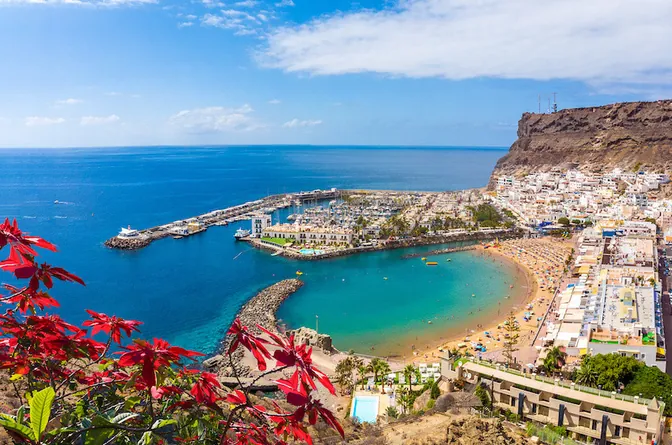 View of Playa de Mogán in the ‘little Venice’ of Gran Canaria
- At Playa da Maspalomas, the desert meets the sea: the 6-kilometre-long fine sandy beach forms a wonderful contrast to the azure blue ocean. The beach is located in the town of the same name and is popular with families and nature lovers as well as nudists.
- In the south of Gran Canaria, not far from Maspalomas, is the picture-perfect beach of Playa de Anfi. The beach is ideal for relaxing and also attracts water sports enthusiasts thanks to its numerous activities.
- Playa de las Nieves is not exactly a classic bathing beach. The pebble beach with two bays in a harbour is located in the north-west of the island and is mainly visited for its breathtaking views. The impressive mountains surrounding it make for a picturesque view. This beach is particularly popular with photographers and nature lovers.
- Crystal clear water and a wide, golden sandy beach – the Playa del Inglés in the south of Gran Canaria is a beach straight out of a picture book. Numerous restaurants, bars and shopping opportunities also provide entertainment. Ideal for families, couples and party animals alike. capital beach in Las Palmas. This natural stretch of beach is known for its excellent water quality and perfect conditions for all kinds of water sports. Those seeking peace and quiet, nudists and water sports enthusiasts will find everything they could wish for here.
- Located in the authentic Puerto de Mogán, this quiet and family-friendly stretch of beach is one of the best on the island. The Playa de Mogán has artificial breakwaters and an incredible range of water sports. With a little luck, you may even see dolphins here. Particularly suitable for families.is the ideal destination. The beautiful beach is framed by a wild rocky landscape and is one of the most secluded beaches on the island. The perfect beach for adventurers and nature lovers. Banaderos. It consists of several bays and a very scenic environment. A trip to Playa El Puertillo, which has two rock pools, is particularly recommended. The perfect destination for couples and anyone looking for a bit of coastal romance.
- Another bay for romantics is the Playa de Amadores on the south-west coast of Gran Canaria. Deep blue sea, golden sandy beaches and a sheltered bay make for a great swimming experience. Ideal for couples and families with children.
- The wild and romantic Playa de la Garita is located on the east coast of the island and is ideal for relaxing. It is located in Garita and is known for its wild rocky landscape and dark sand. Perfect for nature lovers and families.
idealo insider tips for Gran Canaria
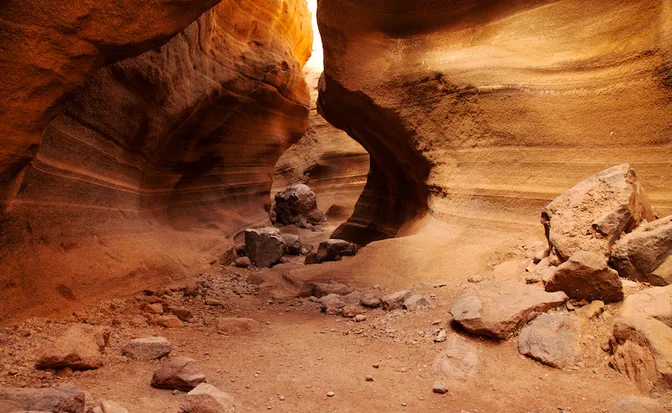 The Barranco de las Vacas gorge promises Arizona vibes
- The Playa Nudista Moana Arena is located in the south of the island and is so remote that it is not even visible from the road. This secluded and secret beach is a popular meeting place for hippies and artists. Everything is allowed here, which is why nudists feel particularly at home here. The sand is golden yellow and fine, and the sea shimmers in intense shades of blue. A real insider tip for those seeking relaxation and nudism enthusiasts. but also with its enchanting little villages in the interior. A trip to the cave community of Artenara is particularly recommended. The cave community is worth a visit for its altitude alone. However, the real special feature of the village is its cave dwellings. Most of the approximately 1,000 inhabitants live in these unusual dwellings.
- The unspoilt Playa Tiritaña is definitely still an insider tip. The beach is located in a bay in the south-west of the island, surrounded by spectacular cliffs and crystal-clear water. Getting there is a bit difficult, as you first have to walk along a footpath from the car park on the main road and then climb over rocky cliffs, but it is well worth the effort, especially for outdoor enthusiasts.
- If you want to experience a spectacular and unforgettable sunset on Gran Canaria, you should definitely plan a trip to the Cruz de Tejeda. This is the highest pass on the island, taking travellers up to an altitude of 1,500 metres. The pass is located in the middle of the Canary Island and is therefore the best place to watch the fireball slowly sink behind the mountain landscape – simply an unforgettable experience!
- The viewing platform Mirador Balcon on the west coast offers a fantastic view. On a clear day, you can even see Pico del Teide, Spain's highest mountain, on Tenerife. The Mirador Balcon is located on a steep cliff by the sea and is definitely worth a detour. The path there leads through a dead end, so visitors simply take the same route back.
- Visitors to Barranco de Las Vacas suddenly find themselves in the US state of Arizona rather than Gran Canaria. The spectacular and colourful sandstone canyonoffers a breathtaking view, especially when the sun shines on the rocks. The best time to visit is at midday between 1:30 p.m. and 3:30 p.m. At this time, the rocks in the canyon shimmer particularly impressively. de Moya on the Spanish island of Gran Canaria, you can find a remnant of subtropical jungle. The Canarian jungle stretches for two kilometres and consists of a rare laurel forest. In Europe, laurel forests are otherwise only found on the Azores and Madeira. On a walk through the rainforest, visitors can learn all sorts of interesting facts about local animal and plant species and enjoy unique natural surroundings.
- Whether it's the dunes of Maspalomas, unique gorges or volcanic landscapes, Gran Canaria is widely known for its flora and fauna. What many people don't know is that the island is also home to the largest cactus park in Europe, the Cactualdea Park. – the largest in Europe. Beautiful and huge cacti grow here on an area of 15,000 square metres. This traditional market was opened in 1856 and has been offering delicious specialities and regional delicacies ever since. volcanic foothills up close, the best option is to take a hike through the volcanic craters in the Bandama Nature Park. Here, outdoor enthusiasts can enjoy spectacular hiking trails such as the climb to thevolcano crater or a hike over lava ash or through a green oasis.
Festivals in Gran Canaria
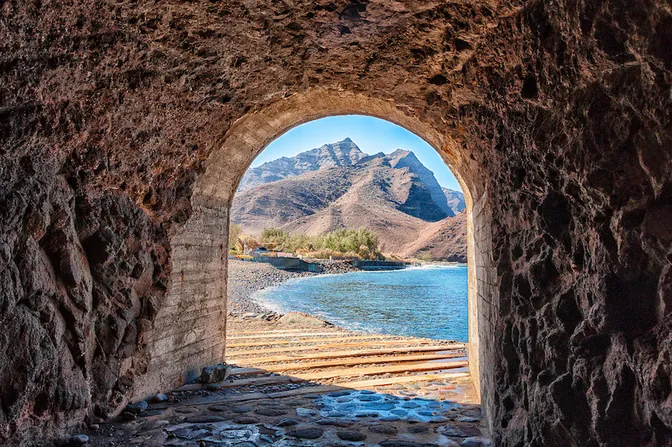 The passage to La Aldea beach
- In February, the almond trees on Gran Canaria are in full bloom. In Tejeda and Valsequillo, this is celebrated with the Almond Blossom Festival - Fiesta del Almendro en Flor . Anyone visiting the island in February should not miss this spectacle. Traditional folk dances and music, as well as numerous local products such as almond wines and sweets, ensure a successful festival.
- Between the end of April and the beginning of May, the small town of Santa Maria de Guia hosts the Fiesta del Queso. Traditional music and plenty of cheese celebrate the production of the village's famous cheese.
- Rio de Janeiro and Venice are not the only places known for their lively and colourful carnival celebrations – Gran Canaria also knows how to celebrate carnival in style. During the carnival season in February, festivities take place in almost every corner of the island.
- On 8 September, another festival worth seeing takes place on the island. The Fiesta de la Virgen del Pino (Feast of the Virgin of the Pine Tree) in Teror attracts numerous pilgrims from all parts of the island and is one of the most important religious festivals in Gran Canaria.
Specialities and good restaurants
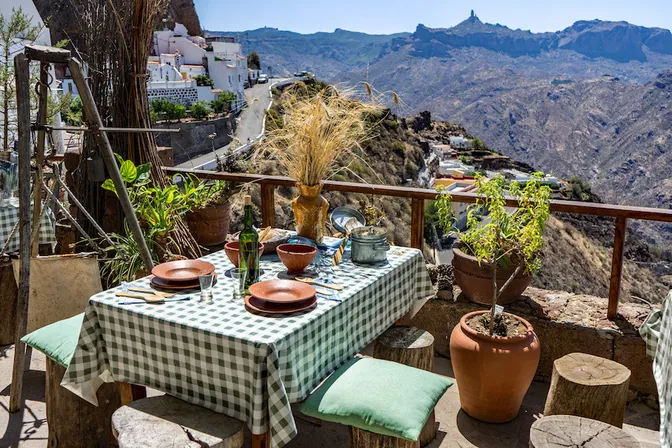 Lunch with a view in Artenara
The cuisine of the Canary Islands is characterised by numerous influences. On the one hand, there are of course typical Spanish dishes such as tapas, and on the other hand, African influences can also be felt on the island. Due to the former lively exchange with Latin America, the influences of some Latin American countries are also reflected in the cuisine. The Canary Islands and Gran Canaria are particularly well known for their hearty fish and meat dishes - Another speciality on the island is Queso de Flor de Guia (flower cheese). This is produced in the small village of Guia and has a unique aroma. On a trip to the cheese house in Santa Maria de Guia, visitors can learn how this delicate cheese is made. But Guia is not the only place where excellent cheese is produced: Gran Canaria is generally known for its outstanding sheep's and goat's cheese, which is why a cheese tasting is a must on any tour of the island.
- In addition to cheese, the Canary Island is also known for its excellent wines. Whether red, white or rosé, they all reflect the diverse landscape of Gran Canaria and are of the highest quality. Those who want to enjoy excellent wines such as Malvasia, Moscatel or ListanBlanco , it is best to take a trip to the wine route or to the Bodega Los Berrazales winery. This beautiful little plantation not only grows wine, but also oranges.
- Coffee junkies should not miss a visit to the only coffee plantation in Europe. The Agaete Valley offers the perfect conditions for growing aromatic coffee. On a guided tour in Los Castaños, holidaymakers learn everything they need to know about the history of coffee cultivation, the ideal growing conditions and the roasting process.
- In the little Venice of Gran Canaria (Puerto de Mogán) is the inviting and authentic Restaurante Case Enrique. The restaurant is located right by the sea and spoils its visitors with typical Spanish and Mediterranean dishes.
- On the Costa Meloneras is the charming Cafe del Mar Meloneras, which scores with hearty steaks, delicious fish dishes and vegetarian options.
No-gos and useful information
 The ‘Roque Nublo’ is considered one of the landmarks of Gran Canaria
No-gos- Although nudism is permitted on some beaches, it is frowned upon on beaches that are not designated as nudist beaches.
- Don't pay your bills separately. It is best to pay for everything together and then split the bill afterwards.
- Simply sit down at a free table in a restaurant. It is best to wait until the waiter has assigned you a table.
Things to know- The tap water in Gran Canaria is not drinkable. It is best to buy water gallons in the supermarket.
- From around 1 p.m. to 5 p.m., it is usually siesta time, which means that shops are closed.
- Especially during the off-season, there are a number of waterfalls on Gran Canaria, e.g. the Barranco de los Cernicalos or El Charco Azul, which flows all year round.
- If you want to bring your pet with you, don't forget your EU pet passport. You should also check whether your accommodation allows pets.
Fun facts about Gran Canaria
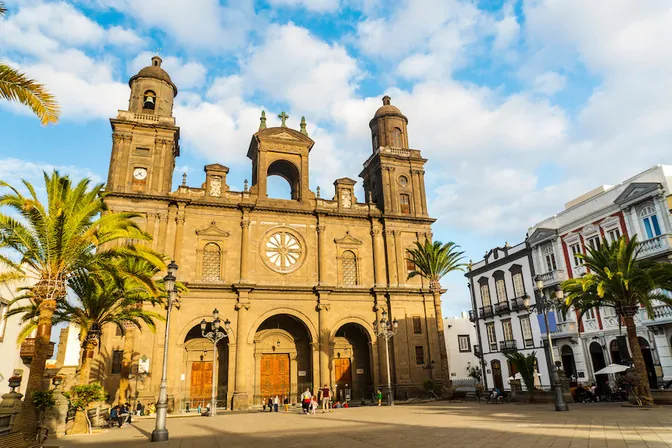 The Santa Ana Cathedral is located in the capital city of Las Palmas
- The only coffee that comes from Europe is grown in Gran Canaria in the Agaete Valley. The climate there is perfect for coffee cultivation.
- The Jardin Botanico Canario on the steep slopes of the Barranco de Guiniguada is the largest and most species-rich botanical garden in Spain, with an exhibition area of 27 hectares.
- The Canary Islands have not one, but two capitals: Santa Cruz on Tenerife and Las Palmas on Gran Canaria.
- The Spanish explorer Christopher Columbus landed on the dunes of Maspalomas in 1502 to replenish supplies for his voyage to the New World. This is also why the road to the beach is still calledAvenida de Cristobal Colon to this day.
Practical tips for your holiday in Gran Canaria
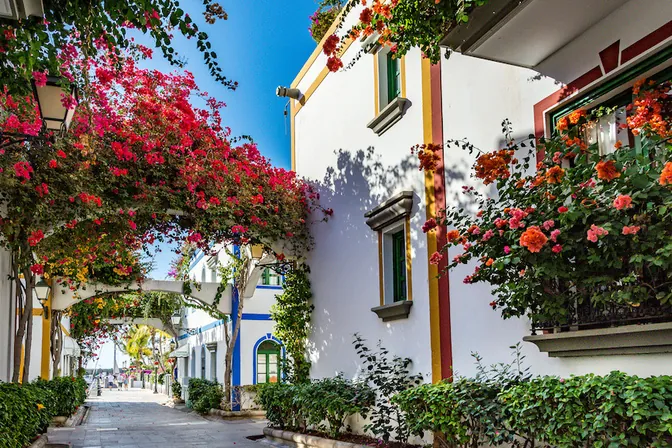 An alley in Puerto de Mogán
- What travel documents do I need?
- What vaccinations do I need?
- Credit cards and currency exchange?
- Roaming and WiFi
- Is it worth renting a car in Tenerife?
- What are the customs regulations?